new member | vilnius college of design (VCD)
21.10.2026 News
ICoD is pleased to welcome Vilnius College of Design, Lithuania, as our new Educational Member. Vilnius College of Design (VCD), founded in 1997 and located in Vilnius, the capital of Lithuania, is a private higher education institution specialising in art, design and technology. It has grown into an internationally oriented college that combines creative practice, technology and industry-focused education, bringing together a community of more than 80 lecturers and practitioners with professional experience across art, design, technology and business.
The college emphasises practical learning, experimentation, interdisciplinary collaboration and close connections with contemporary professional practice. Students are encouraged to question established approaches, develop independent creative positions and explore new ways of thinking through design and technology.
Joining the Council marks an important new stage in VCD’s international development. Membership offers an opportunity to become more actively involved in an international design education community, exchange knowledge with peer institutions and contribute to wider discussions about the role and responsibility of design education today.
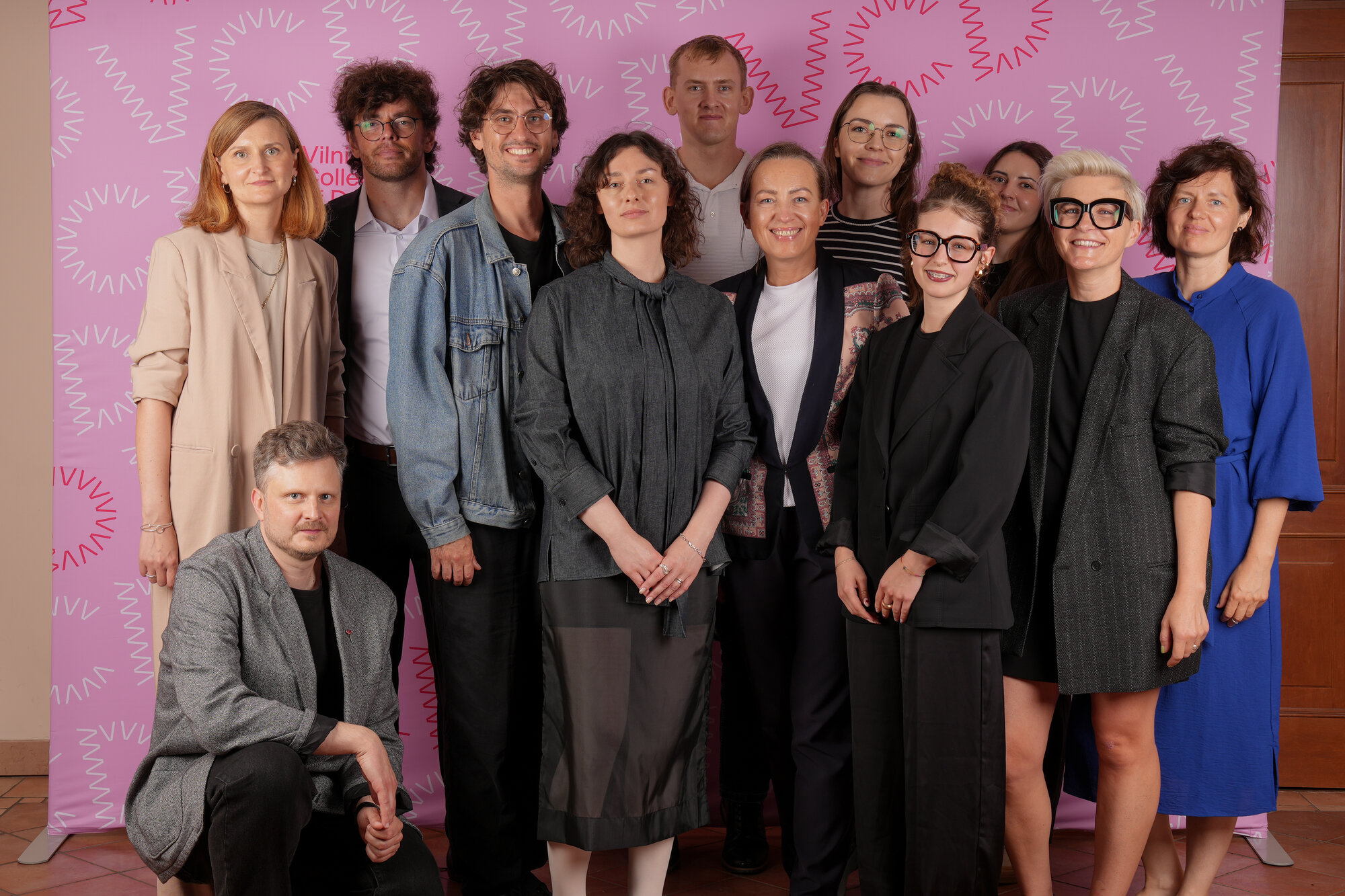 VCD Team
Academic Programmes
VCD develops its design education through five main areas within Design and Media Studies.
Graphic Design
The Graphic Design area focuses on contemporary visual communication and design as a critical and professional practice. Students work with typography, visual narrative, publication and editorial design, visual identity, packaging, UI/UX, motion design, campaigns and cross-media projects. The programme combines conceptual development with technical skills and encourages students to develop an independent visual language and a culturally aware design practice.
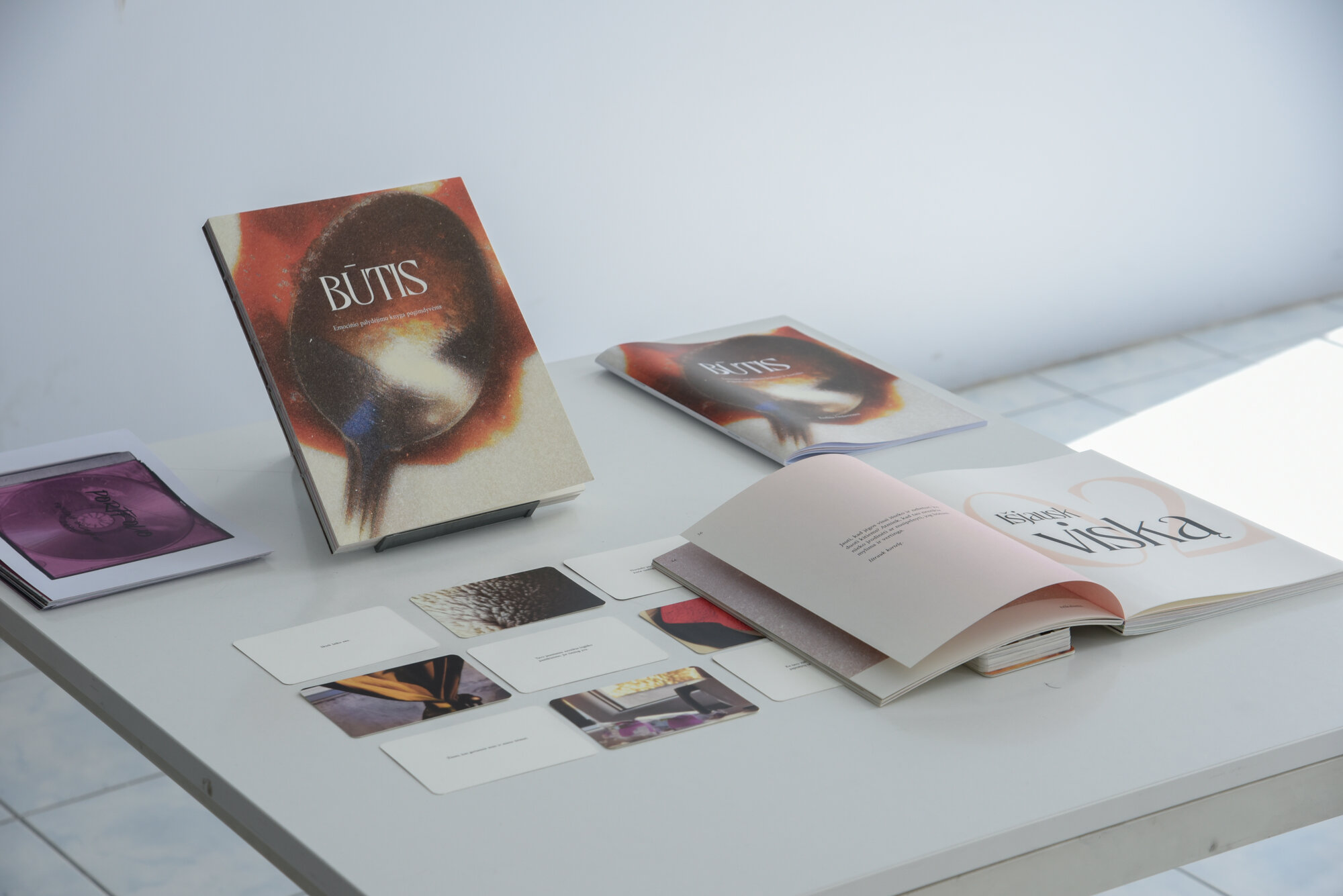 Graphic Design Publications
Digital Design
Digital Design explores the relationship between visual communication, interactive media and emerging digital environments. Students develop skills in digital interfaces, interaction, visual systems and screen-based communication, while learning to approach technology through creative and human-centred design methods.
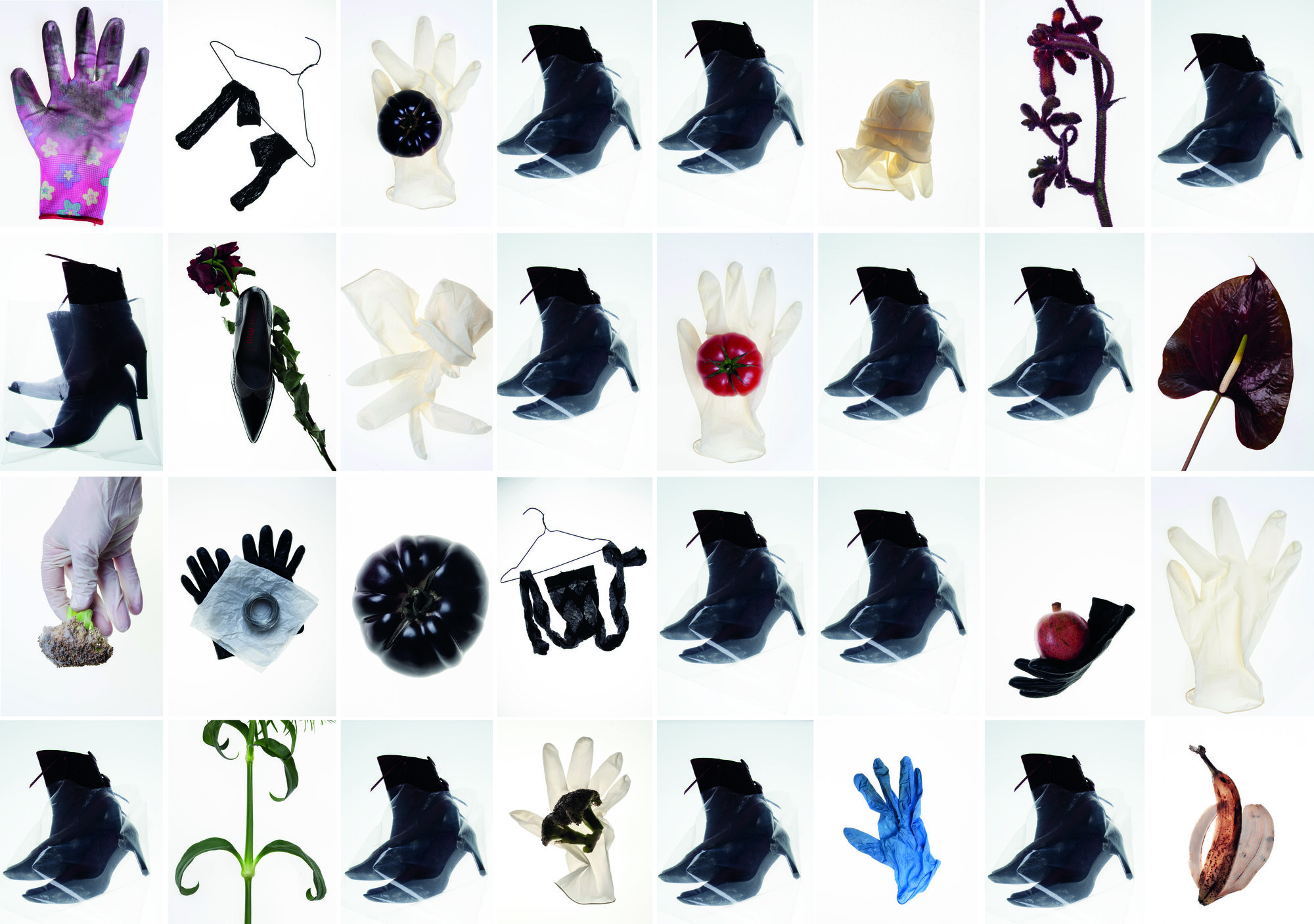 Student Digital Artwork
Interior Design
Interior Design focuses on the relationship between people, objects, space, material, light and atmosphere. Students develop conceptual and functional solutions for residential and public environments through spatial research, technical drawing, materials, ergonomics, 3D modelling and visualisation. Real-life assignments and user needs form an important part of the learning process.
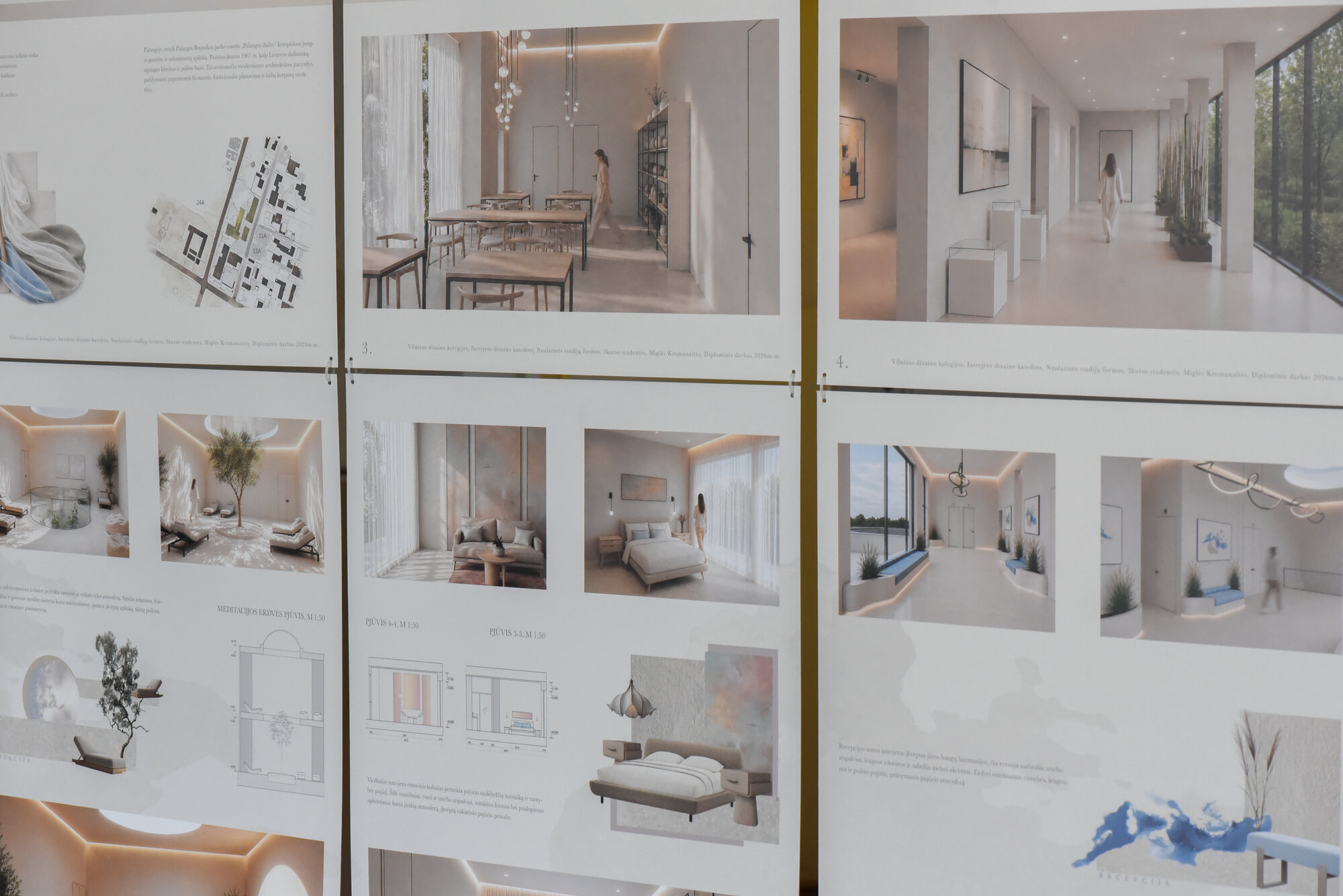 Interior Design Projects Exhibition
Fashion and Accessories Design
Fashion and Accessories Design brings together clothing, accessories, textiles and visual fashion identity. Students work from research and concept development through pattern cutting, garment construction, textile experimentation, accessory design and collection presentation. Digital fashion, responsible practice and changing models of fashion communication are increasingly integrated into the programme.
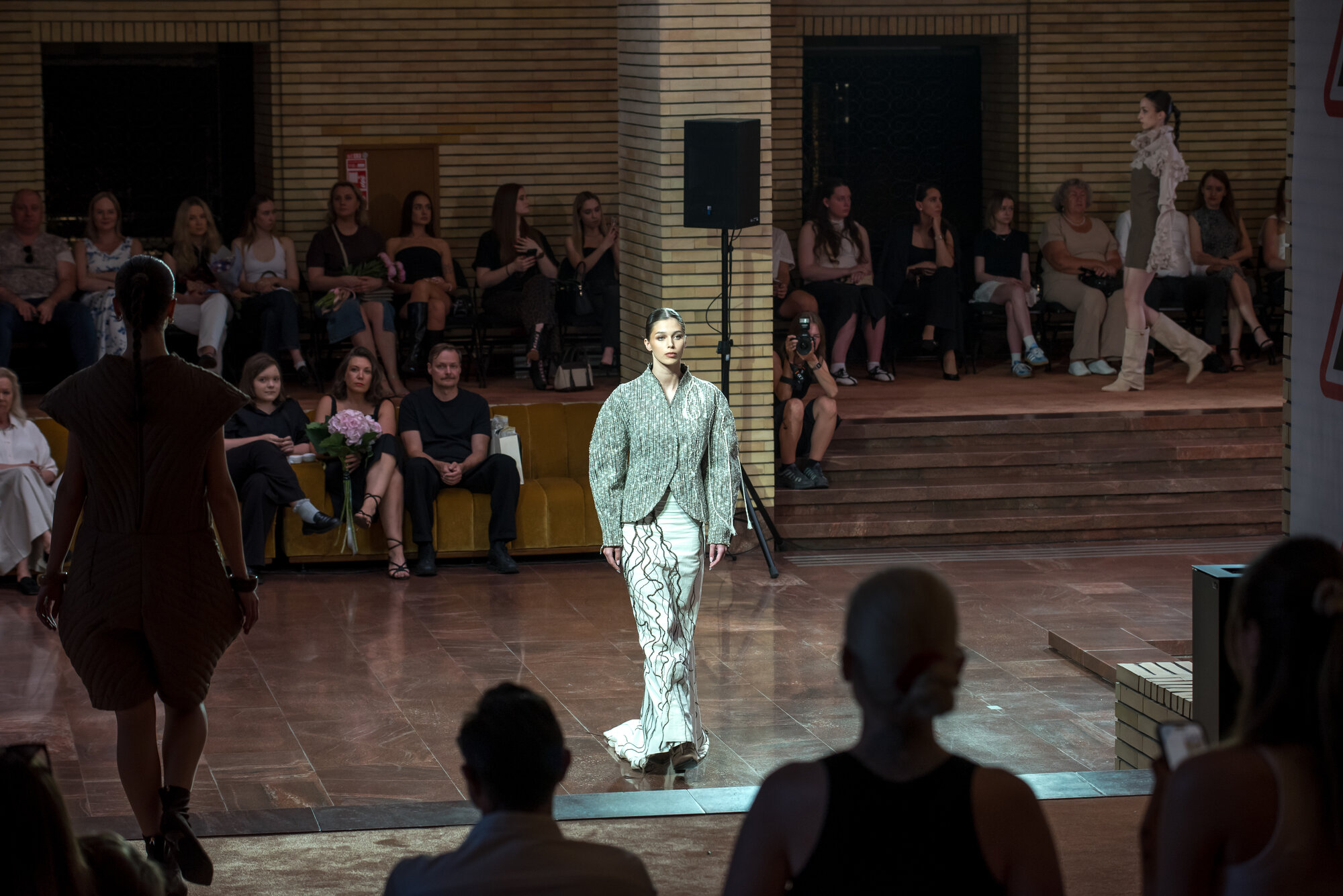 Fashion Show
Photography
Photography combines technical image-making skills with conceptual, cultural and professional practice. Students explore portrait, documentary, fashion, editorial, commercial, analogue, digital and experimental photography. The programme encourages the development of a distinctive visual position while connecting photography with a broader contemporary visual culture.
Alongside these areas, VCD introduced Smart Technologies Industry in 2026, expanding the institution’s academic profile into programming, cybersecurity, data analytics, software development, artificial intelligence and related technological fields. This creates new opportunities for interdisciplinary collaboration between design and technology.
Special Projects and Facilities
VCD approaches the college itself as a platform for experimentation, professional collaboration and public engagement, rather than limiting learning to conventional classroom teaching. Key areas include:
Live and real-world projects: students work with cultural organisations, businesses, public institutions and other external partners on actual design challenges and commissions.
Interdisciplinary projects: students from different design fields are increasingly encouraged to collaborate across graphic, digital, interior, fashion and photographic practices.
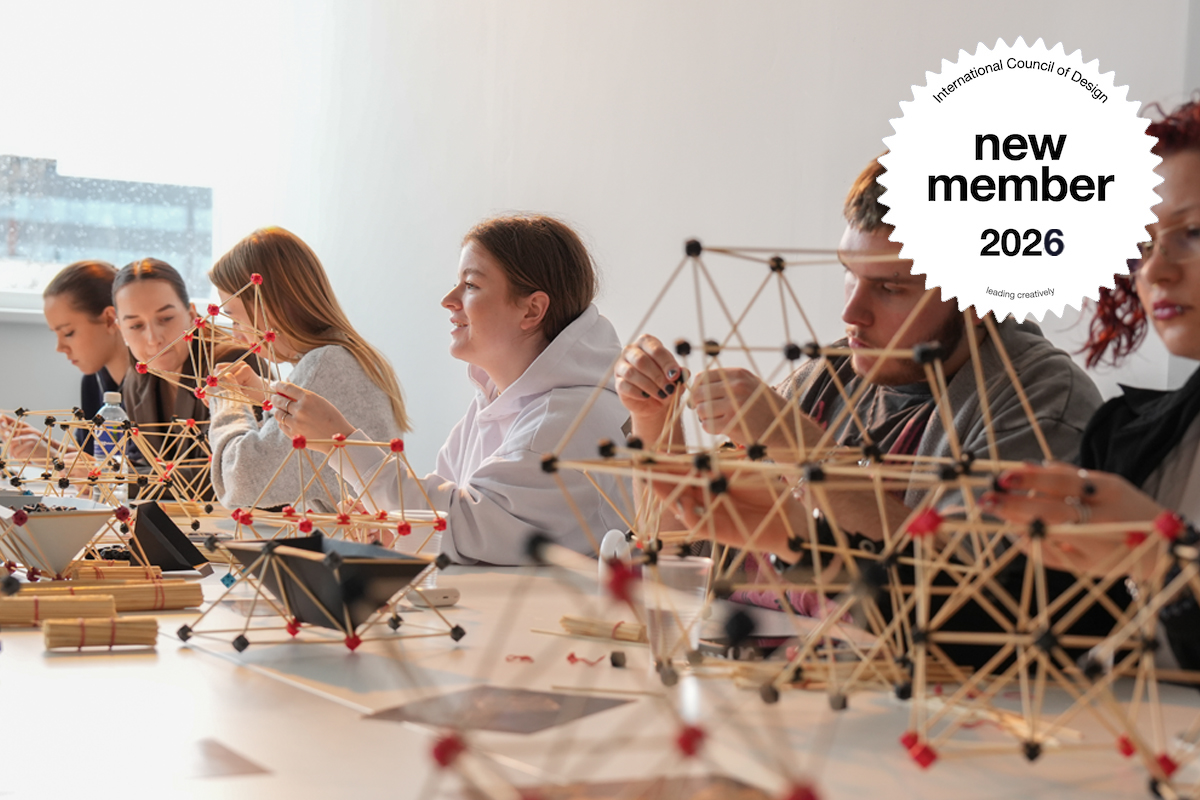
Experimental design practice: workshops and project-based courses allow students to test materials, technologies, processes and alternative design methodologies.
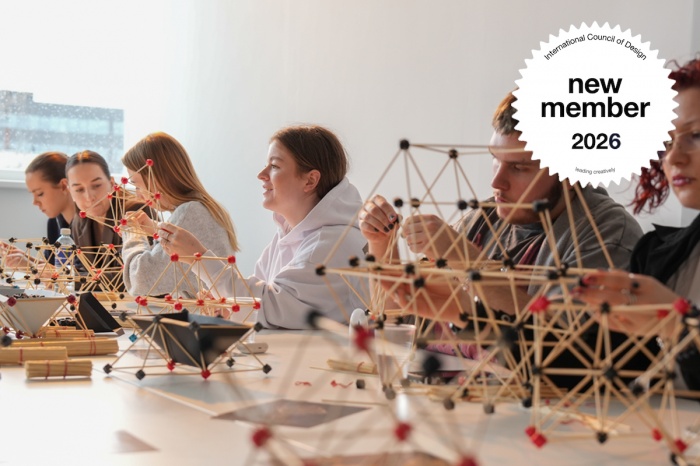
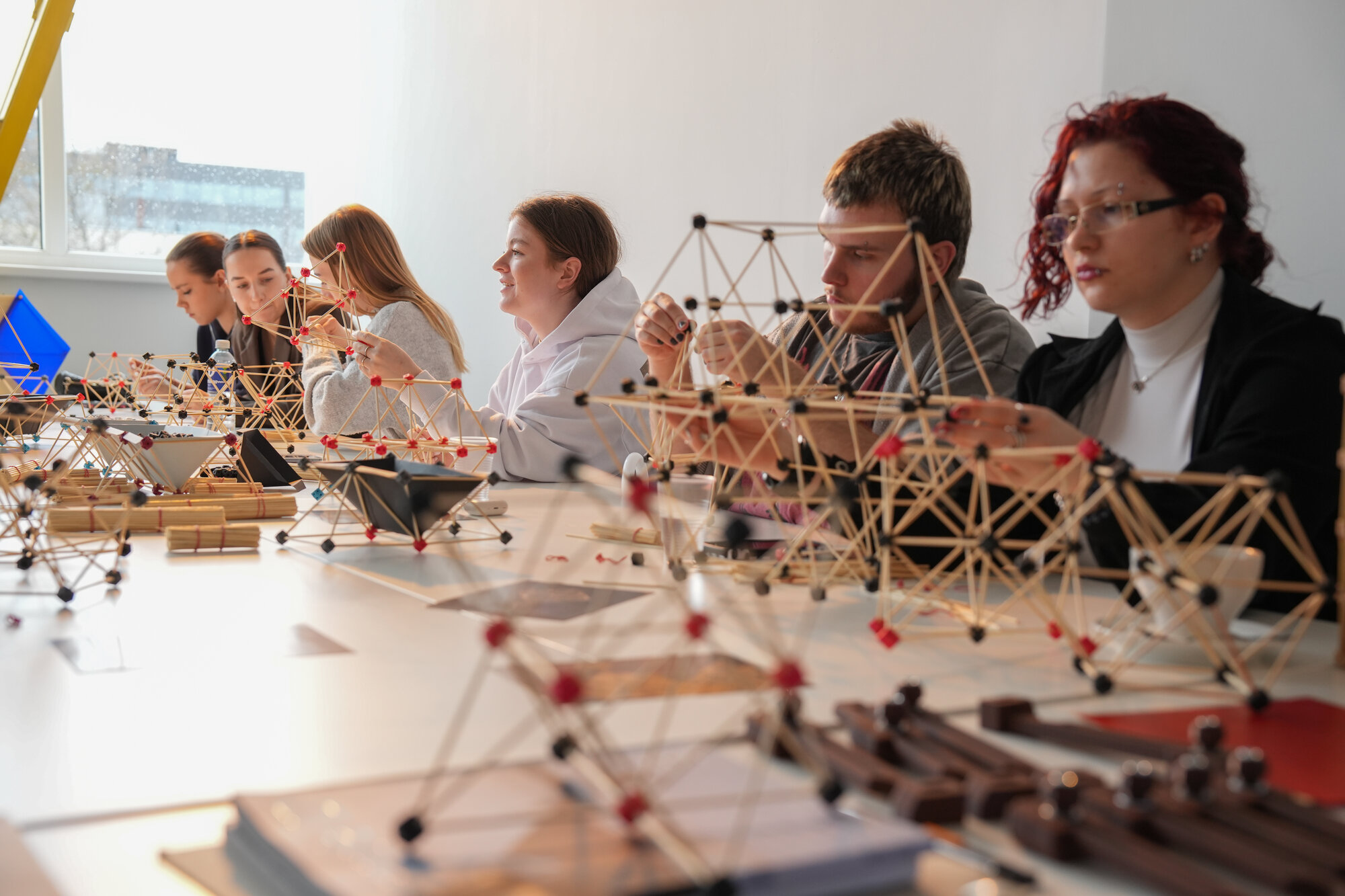 Spatial Structures Workshop
International guest programme and Open Lectures: VCD regularly invites internationally recognised designers, artists, researchers and practitioners to Vilnius for lectures, workshops, consultations and discussions with students.
International collaboration: Erasmus mobility, international workshops, Blended Intensive Programmes and partnerships with other European art and design institutions form an important part of the college’s academic environment.
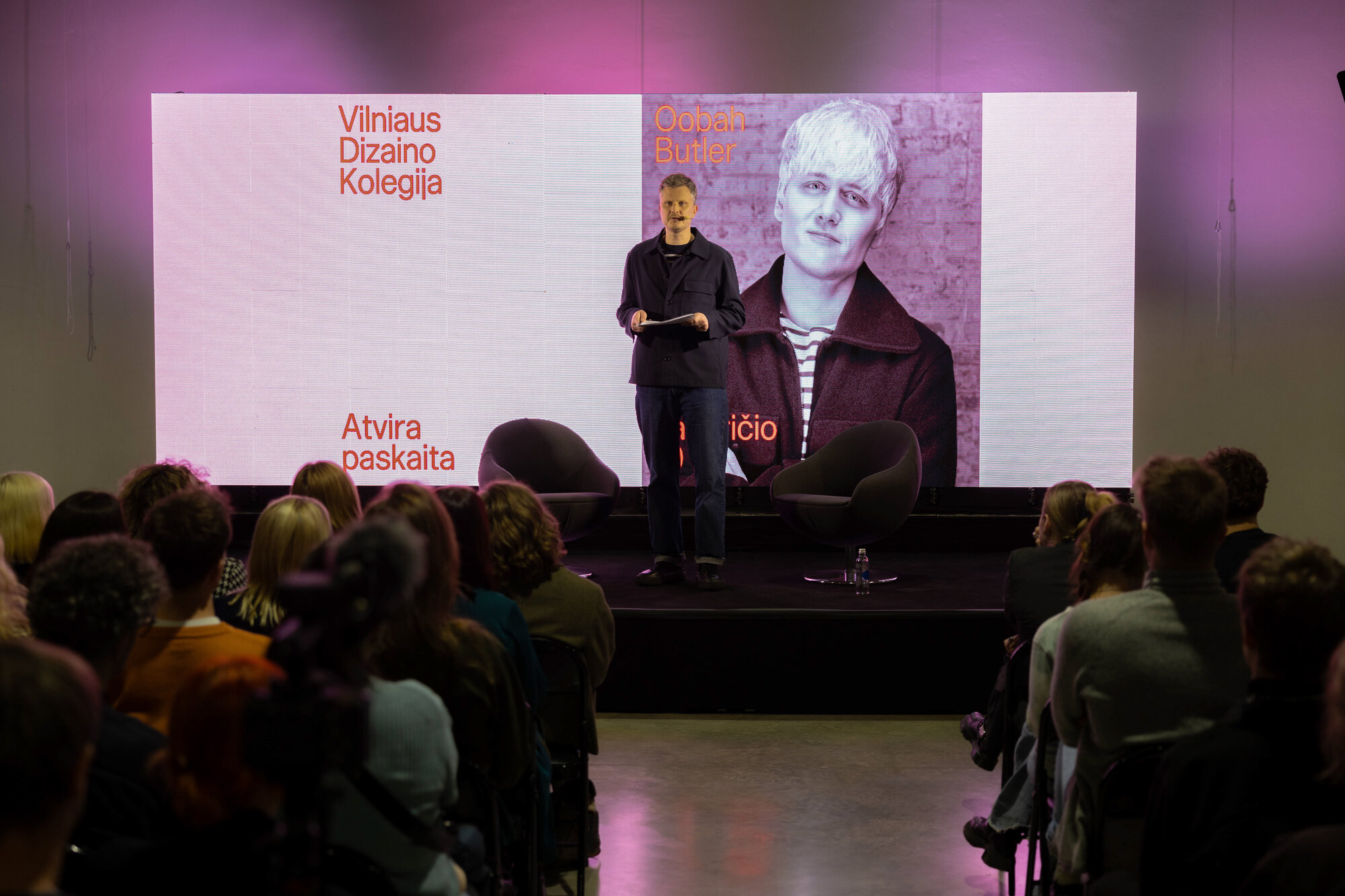 Open Lecture
Exhibitions and public presentations: student projects are presented through exhibitions, reviews, public showcases and collaborations with external cultural organisations.
Analogue and digital production: teaching incorporates photography, print and binding, prototyping, digital design, 3D modelling, visualisation and other forms of production, depending on the study area.
Practice-oriented learning environments: studios and specialised learning spaces support project-based teaching and allow students to move between conceptual development, experimentation and production.
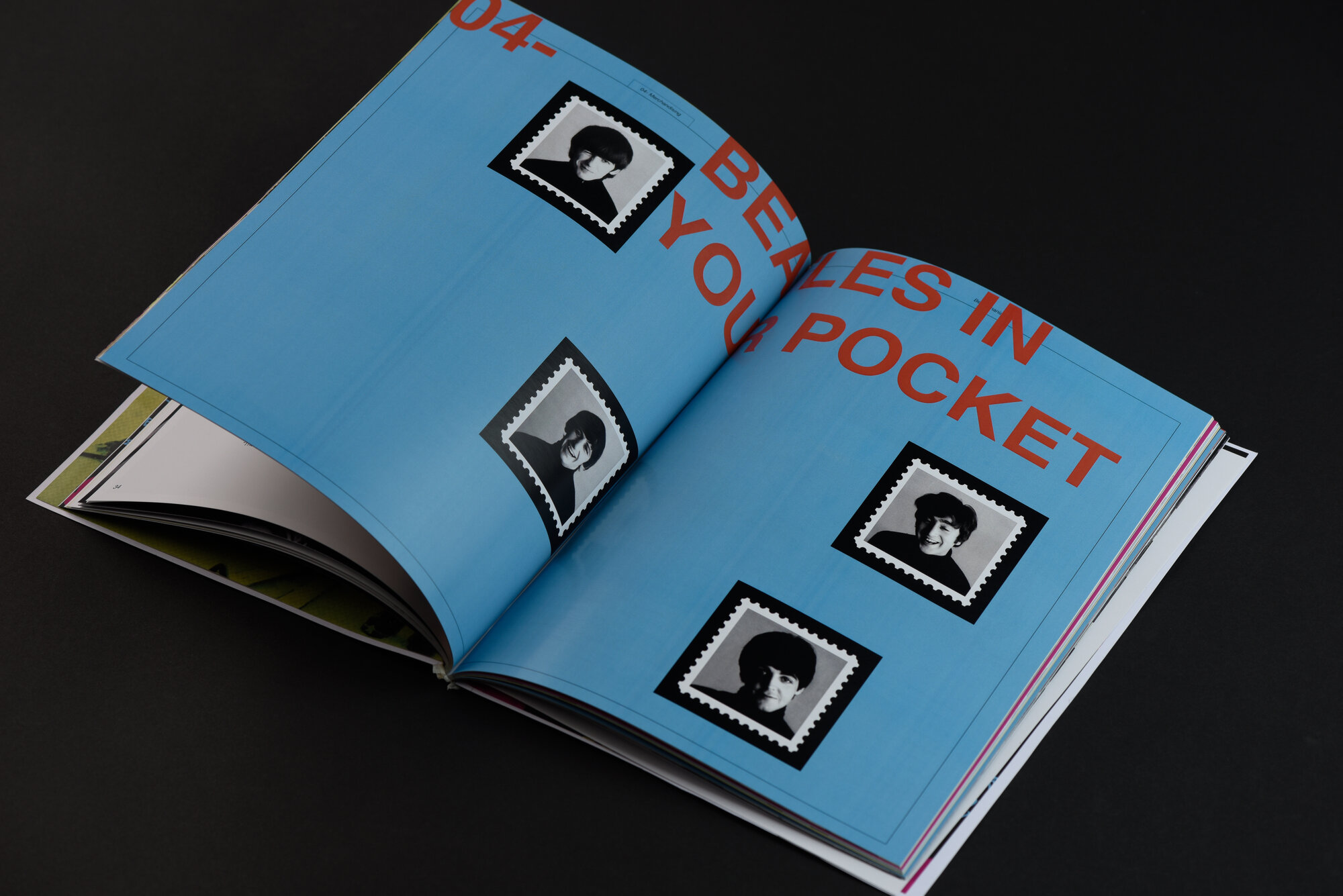 The Beatlemania Movements catalogue by Laia Serano
Recent VCD activity also demonstrates a strong emphasis on connecting education with the wider professional and cultural field through exhibitions, international guest lectures and research-oriented initiatives.
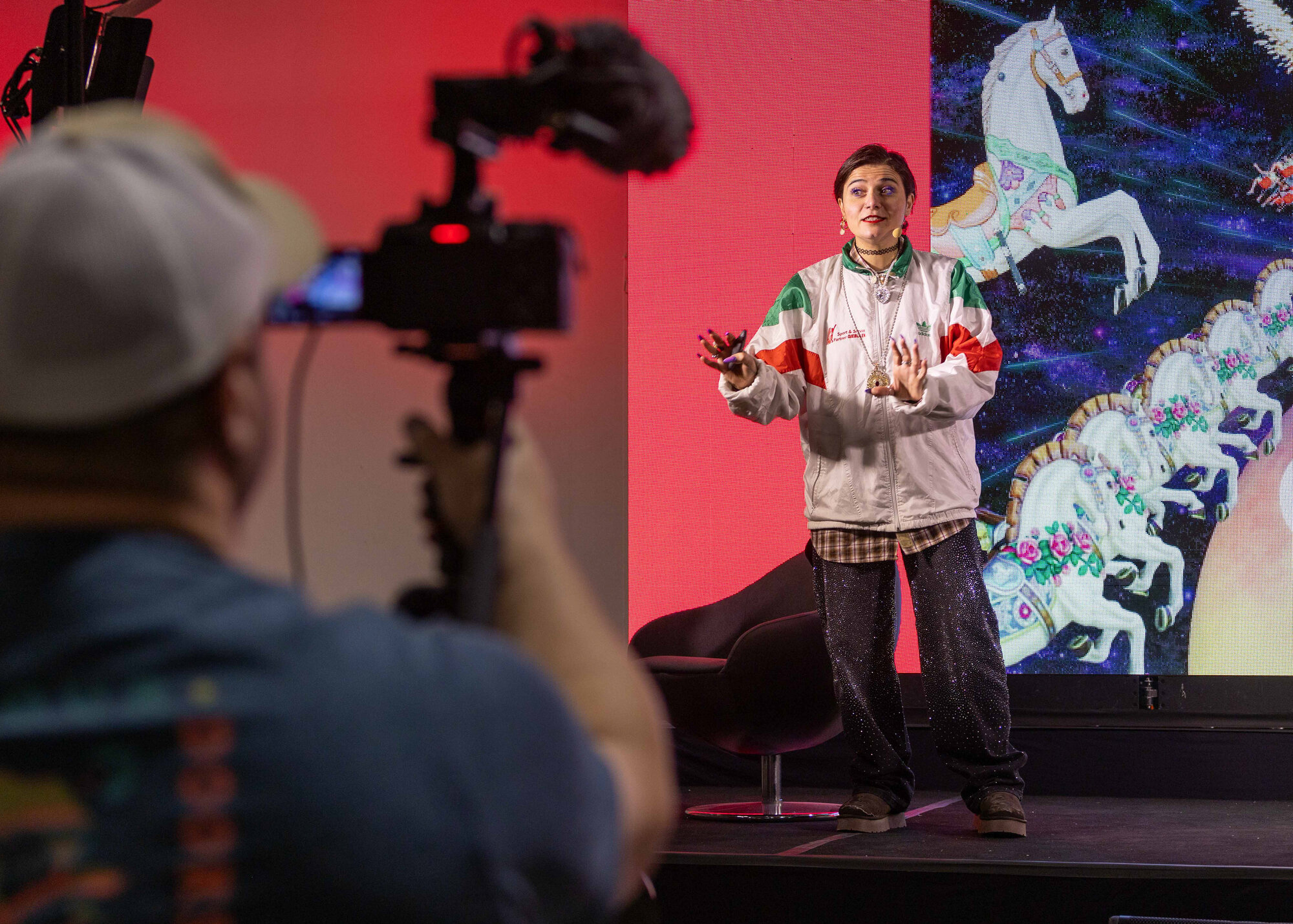 Guest Talk
Vision
VCD’s future strategy centres on strengthening its position as an interdisciplinary higher education institution where design, technology, culture and professional practice intersect. The college sees design education not simply as preparation for existing professions, but as a space in which students learn to respond to changing social, technological and environmental conditions.
Key strategic directions include:
- strengthening the connection between design and emerging technologies, particularly artificial intelligence and digital systems;
- developing more interdisciplinary learning, allowing students from different design and technology fields to work together;
- increasing the role of research, experimentation and critical thinking within professionally oriented design education;
- expanding international partnerships, mobility, visiting lecturers and collaborative projects;
- working more extensively with real clients, institutions, communities and public contexts;
- embedding responsible, human-centered and accessible design principles across programmes;
- creating stronger connections between education, professional practice and the creative industries;
- supporting students in developing not only technical competence, but also an independent creative position, adaptability and critical judgement.
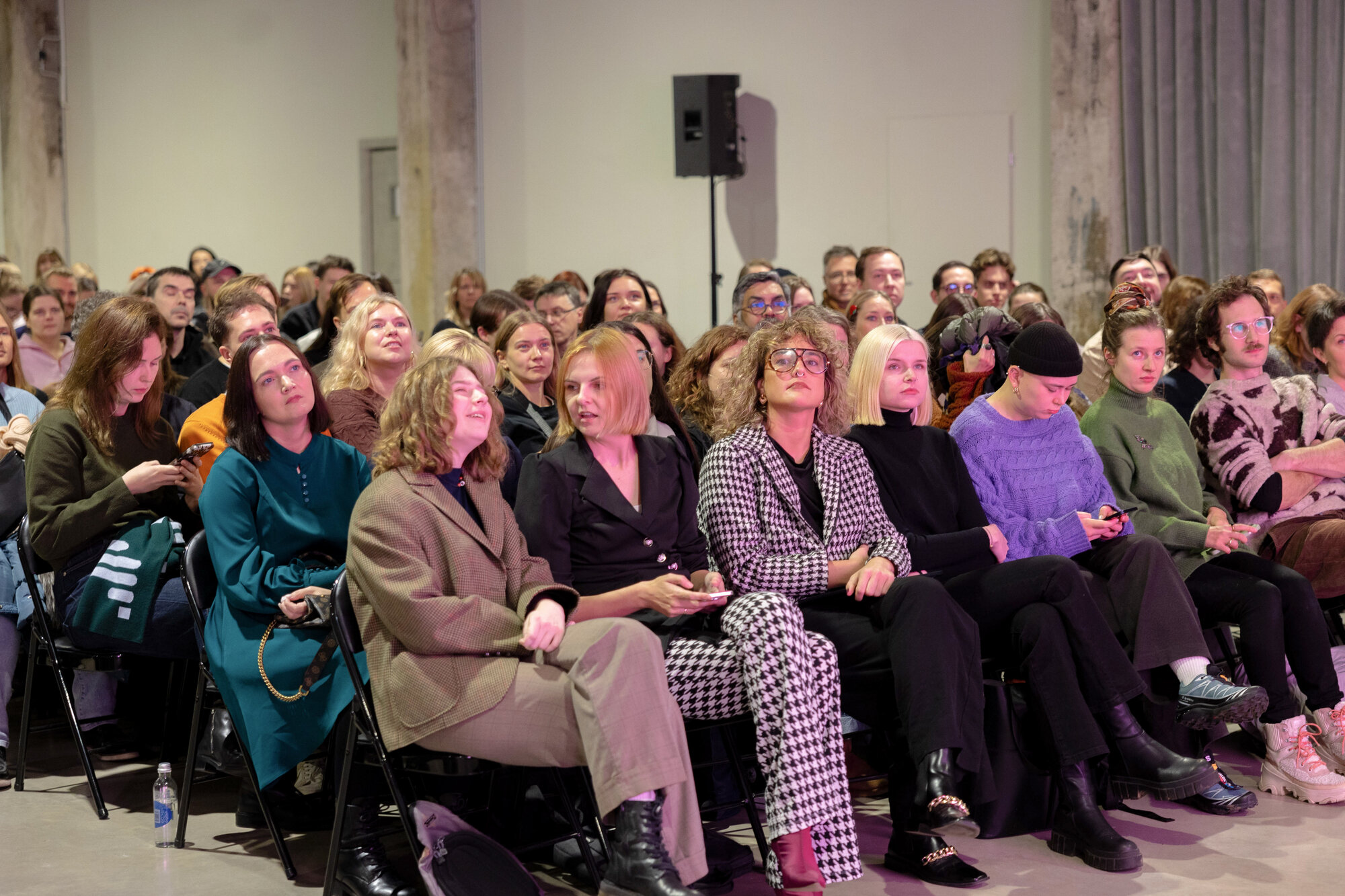 Lecture Audience
The introduction of Smart Technologies Industry alongside VCD’s established Design and Media Studies reflects this strategy. Rather than treating design and technology as separate disciplines, VCD aims to create an educational environment in which technological knowledge is informed by creative thinking, and design practice responds critically and constructively to technological change.
The long-term ambition is for VCD to operate as a small, agile and internationally connected design and technology school, capable of testing new educational formats quickly and responding to emerging professional, cultural and societal challenges.
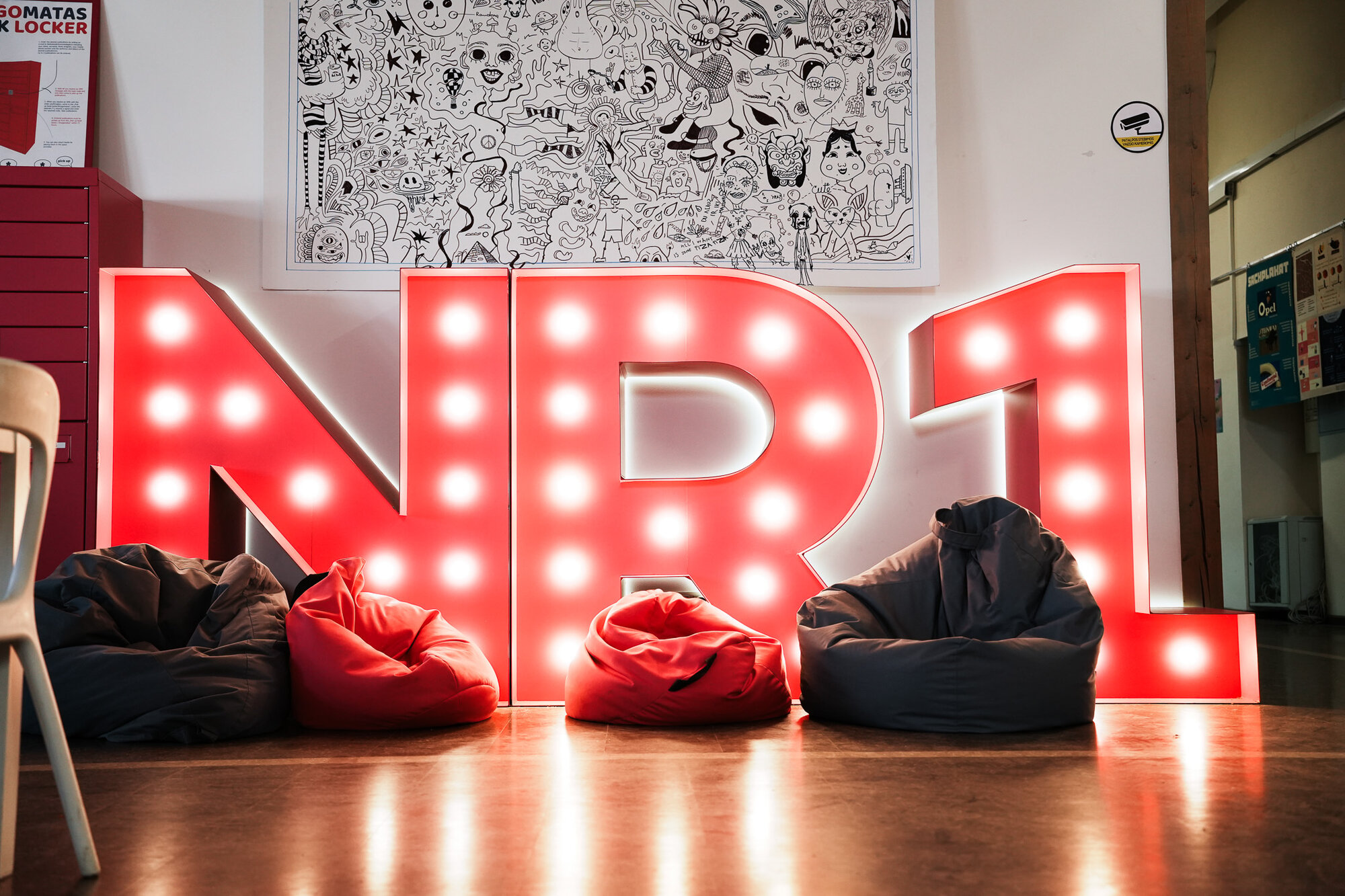
Photo credit: Tim Kliukoit
LINKS
relatedarticles

in memoriam: essam abu awad (1958-2021)